Glass-door beverage and dairy merchandisers. Glass-door merchandisers and refrigerated display cases that keep stock cold and on show — from beverage coolers in a kirana to curved-glass pastry and sushi cases.
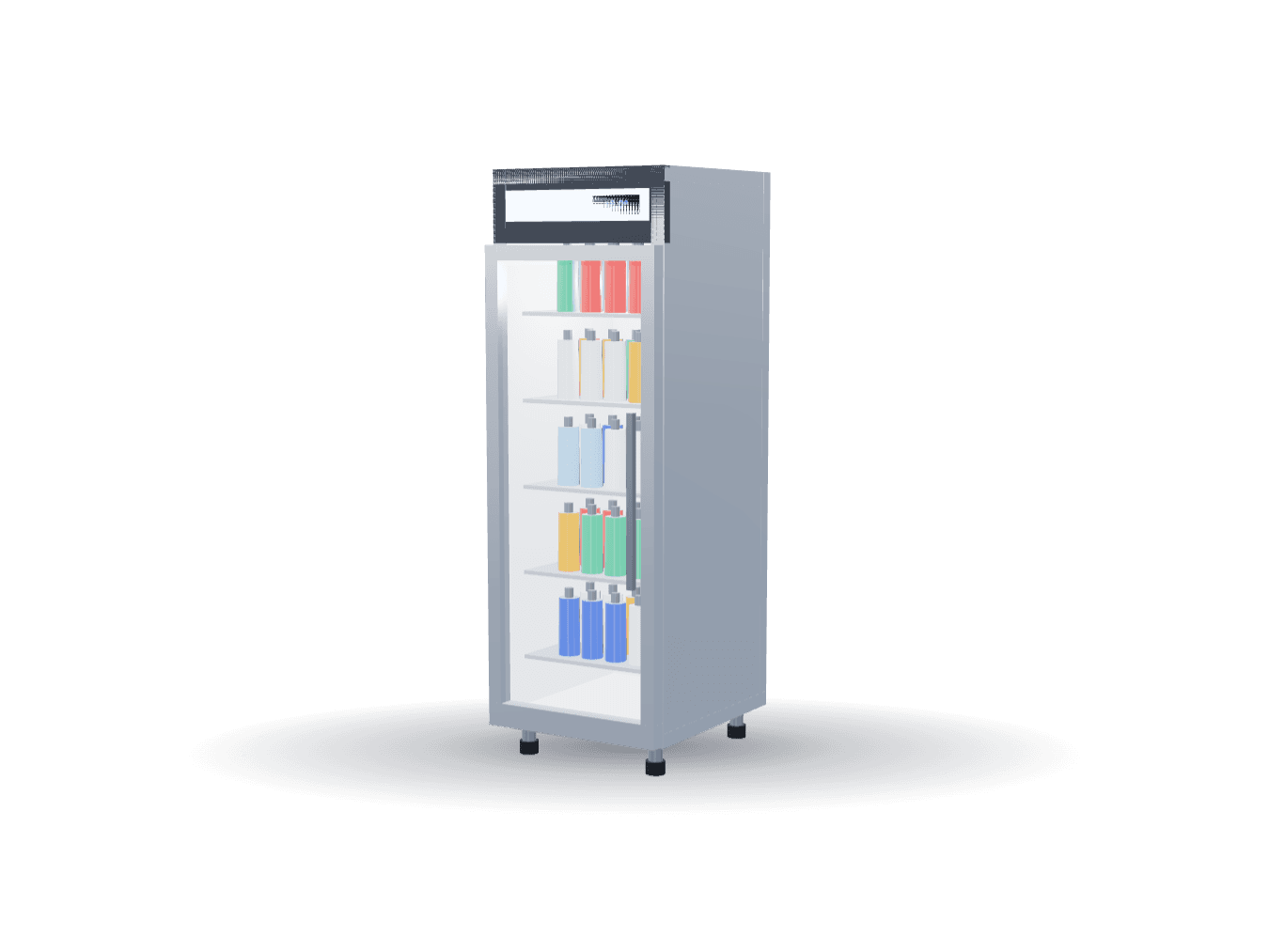
A visi cooler is an upright refrigerated cabinet with a glass door, usually one or two doors wide, that keeps packaged stock cold and on show. Most run around +2 to +10 °C, which suits soft drinks, juices, water, packaged dairy and chilled snacks. A back-kitchen fridge only has to store. A visi cooler also has to sell. LED strips light every shelf, double glazing keeps the stock visible, and a header canopy carries the product or brand name. In India it is often the main cooler in a kirana, sweet shop or chemist. Many of these shops have no air conditioning and a shutter open to the street all day.
Best for
Kirana and general stores selling cold drinks, water, packaged milk, curd and lassi.
Bakeries and sweet shops displaying packaged dairy and bottled beverages beside the counter.
Beverage and dairy brands placing branded coolers with retail partners.
Canteens, cafeterias and petrol-pump shops with self-service cold drinks.
Check before you buy
Shop temperature: a non-AC shop facing the street can reach 40 °C or more in summer. Ask what ambient the cooler is rated for, and keep it out of direct sunlight, which heats both the glass and the stock.
Glass fogging: in the monsoon, moist air condenses on cold glass. Double glazing, a door that closes fully on its own and good airflow around the cabinet keep the glass clear, so customers can see the stock.
Power and voltage: give it a dedicated, earthed 230 V socket with voltage protection. If it will run on an inverter during cuts, check that the inverter can handle the compressor's starting current.
Restocking: loading crates of warm bottles makes the cooler work hard for hours. Put new stock at the back and cold stock at the front, and don't pack shelves so tightly that air can't circulate.
Cleaning: the condenser is often near the floor, where street dust collects. Clean the grille every month, wipe the gaskets, and clean the glass inside and out so the lighting actually shows the stock.
What temperature should a visi cooler be set to for drinks and dairy?
Drinks are fine anywhere in the +2 to +8 °C range. Packaged milk, curd and other dairy should be at or below 5 °C, so if the cooler holds dairy, set it cold and check the warmest shelf with a thermometer.
Why does my visi cooler's glass fog up in the rainy season?
Warm, humid shop air is touching glass that has been cooled by the cabinet. Check that the door shuts fully, the gasket is intact and the cooler isn't in a draught or direct sun. If fogging persists on double glazing, have the glass or door heater checked.
Can a visi cooler run on an inverter during a power cut?
Often, if the inverter is sized for the compressor's starting current as well as its running load. Ask the supplier for both figures before relying on it.
Countertop Glass Door Refrigerator for Impulse Sales
A countertop glass-door refrigerator is a small cooler that sits on a counter instead of the floor, usually right beside the billing point. Its job is the impulse sale: the chilled drink, yoghurt cup, dessert or energy drink a customer picks up while paying. It works on the same principle as a visi cooler, with a glass door, interior lighting and shelves facing the customer, but at a fraction of the size. It needs no floor space, so it suits shops and counters where the floor is already full.
Best for
Billing counters in kirana stores, pharmacies and petrol-pump shops for impulse cold drinks.
Cafés and bakeries showing packaged desserts, cold coffee bottles or yoghurt cups at the till.
Hotel lobbies, reception desks and lounges offering chilled water and drinks.
Brand promotions and new-product trials where a small, visible cooler is enough.
Check before you buy
Ventilation: countertop units often vent from the back, sides or top. Fitting one into a shelf recess or pressing it against a wall cooks the compressor. Leave the clearances the manual asks for.
Small cabinet, fast warm-up: a small cooler holds little cold mass. Restocking it with warm bottles or leaving the door open lets the temperature rise quickly. Restock with pre-chilled stock from a bigger cooler where you can.
Counter fit and strength: check that the counter can carry the loaded weight and that the door opens without blocking the cashier or the billing machine.
Power: plan a proper earthed socket at the counter. Billing counters often run on crowded multi-plug strips, which is a poor and unsafe supply for a compressor.
Heat and humidity: the unit puts its heat into the space around the till. In a small non-AC shop, that matters. In the monsoon, keep the door closed and the glass wiped to stay clear.
Can a countertop glass-door fridge hold dairy safely?
Yes, if it holds 5 °C or below on every shelf with the door being opened at your shop's pace. Small units warm up faster, so check with a thermometer at your busiest hour before relying on it for dairy.
Does a countertop cooler need a dedicated socket?
It should have its own earthed socket instead of sharing a crowded multi-plug strip with the billing equipment. Compressors draw a surge at start-up that can trip or overheat a shared strip.
Full-Height Glass Door Merchandiser for Retail
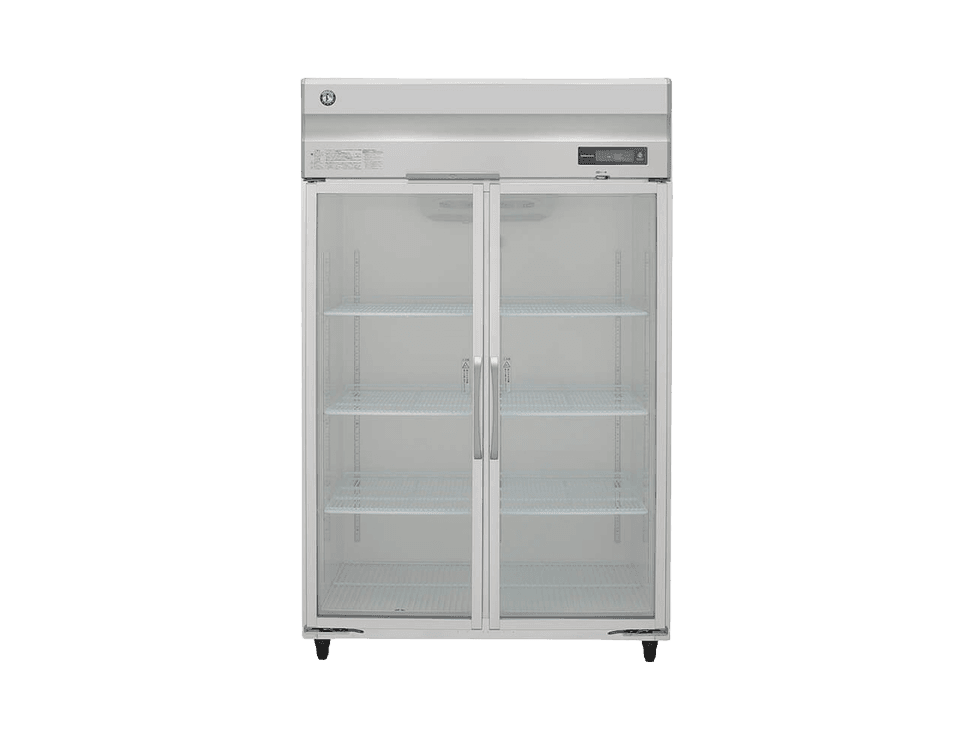
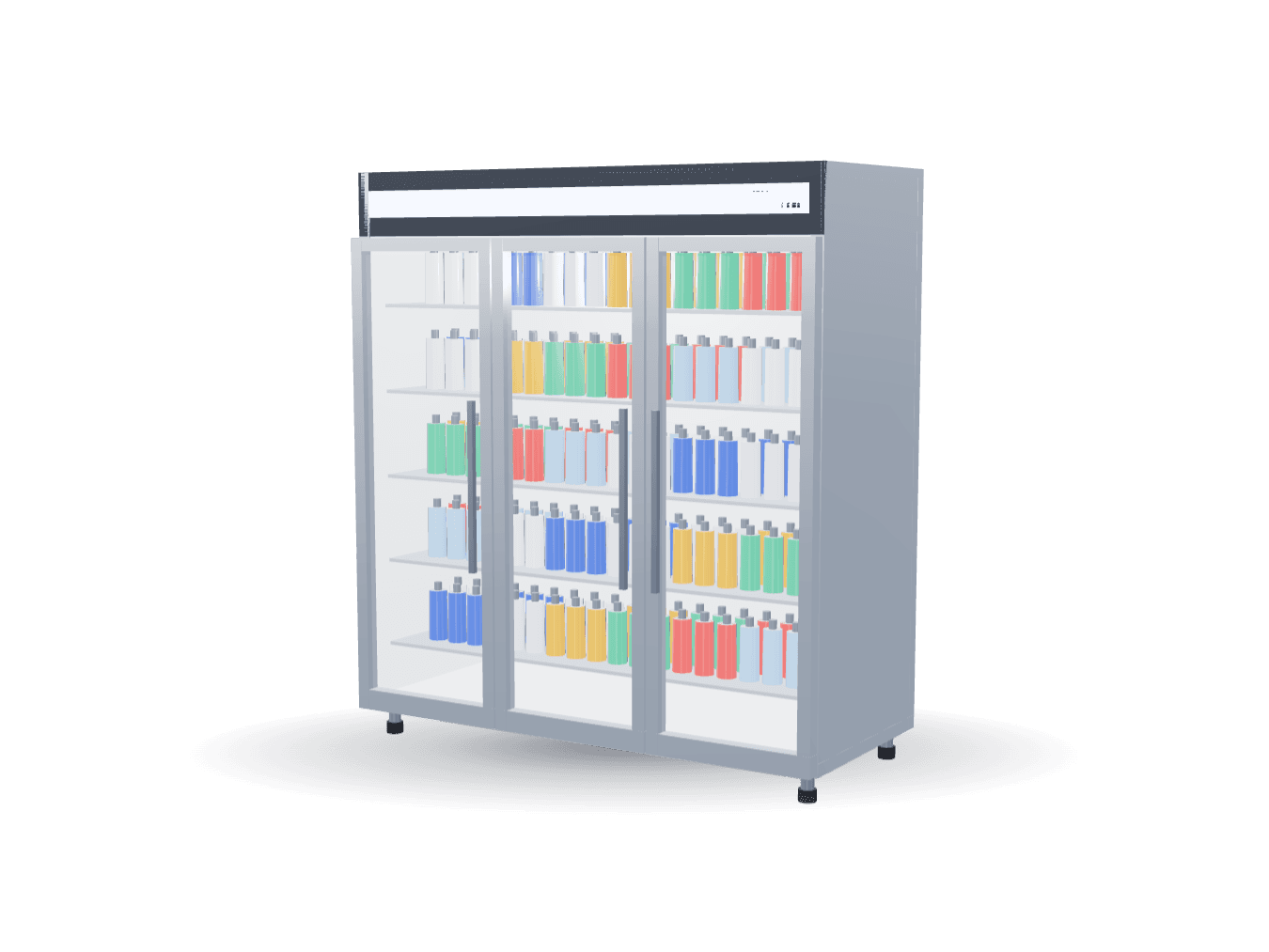
A full-height merchandiser is a tall glass-door refrigerated cabinet, often two or three doors wide, that forms a wall of chilled product in a supermarket or larger store. It carries more stock per metre of floor than a single visi cooler, and its full-height lit shelves turn the aisle into a display. These cabinets hold beverages, dairy, chilled ready-to-eat food and packaged produce in the +2 to +10 °C range. Set the temperature to the most sensitive item on the shelves. Because several stand side by side, the store's electrical supply, air conditioning and aisle layout all need planning together.
Best for
Supermarkets and hypermarkets building a chilled dairy or beverage aisle.
Mid-sized grocery stores consolidating several single coolers into one planned bank.
Dairy outlets and cooperative milk parlours selling a broad packaged range.
Hospital, campus and office canteens with high-volume self-service drinks and chilled snacks.
Check before you buy
Temperature uniformity: dairy and chilled ready-to-eat food should be at or below 5 °C. Check the top and bottom shelves under load, not just the display, and stock the most sensitive items where the cabinet is coldest.
Electrical planning: several merchandisers in a row need properly sized, earthed circuits with protection. Voltage sags hit many compressors at once, so plan stabilisation or protection for the whole bank.
Heat into the store: plug-in cabinets reject their heat into the shop. A bank of them adds to the air-conditioning load, so tell whoever sizes the AC.
Floor, route and aisle: confirm the route in, a level floor, and an aisle wide enough for customers to stand at an open door with a trolley. Swing doors need more clearance than sliding ones.
Cleaning and humidity: clean the condenser grilles monthly, wipe gaskets and door frames weekly, and watch for glass fogging in the monsoon, especially near the entrance where humid air comes in.
How many doors of merchandiser does a store need?
Work from the range and the restock rhythm. List the products and facings you want, the stock per facing, and how often you can restock. A half-empty bank of doors costs power and looks poor, so size for what you will keep full.
Are sliding or swing doors better on a merchandiser?
Swing doors seal well and open wide for restocking, but need aisle space. Sliding doors suit narrow aisles. Either works if the gaskets are kept clean and the doors close fully.

 Open Multideck Merchandiser Guide for Supermarkets6 min read
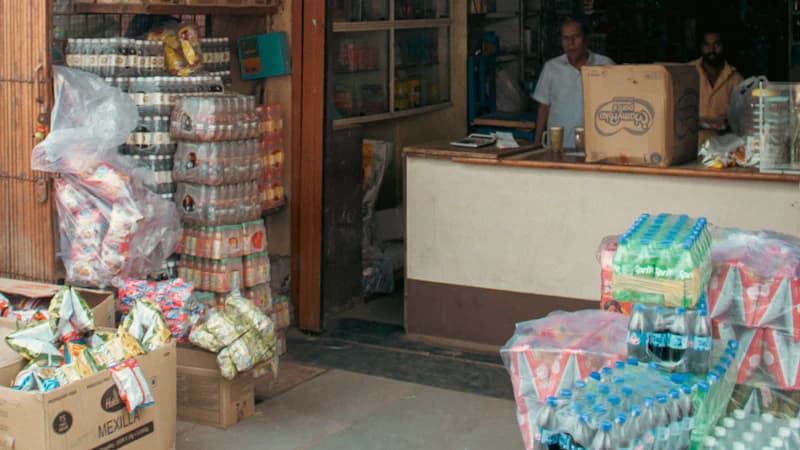 Visi Cooler Buying Guide: Size, Glass, Placement6 min read
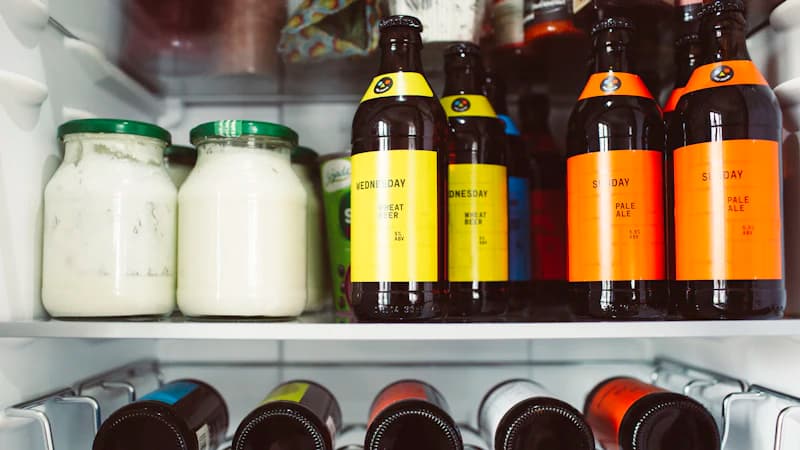 Visi Cooler for Kirana & FMCG Shops: What to Know5 min read
 Air-Curtain Refrigerator Guide for Grab-and-Go6 min read
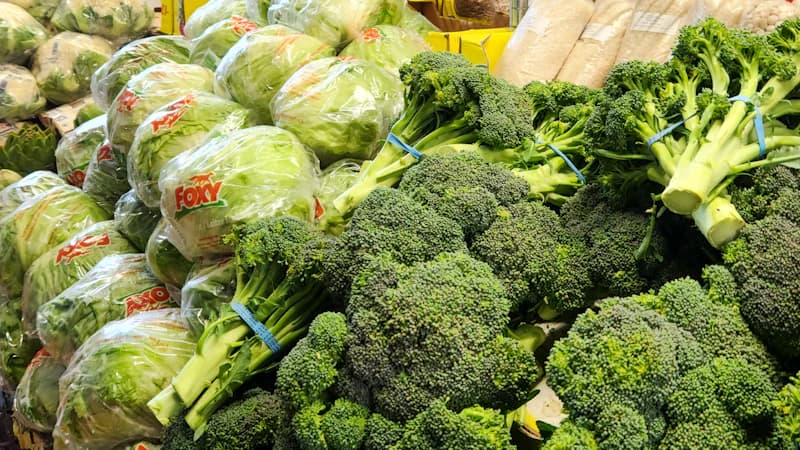 Fruit & Vegetable Display Refrigeration Guide6 min read
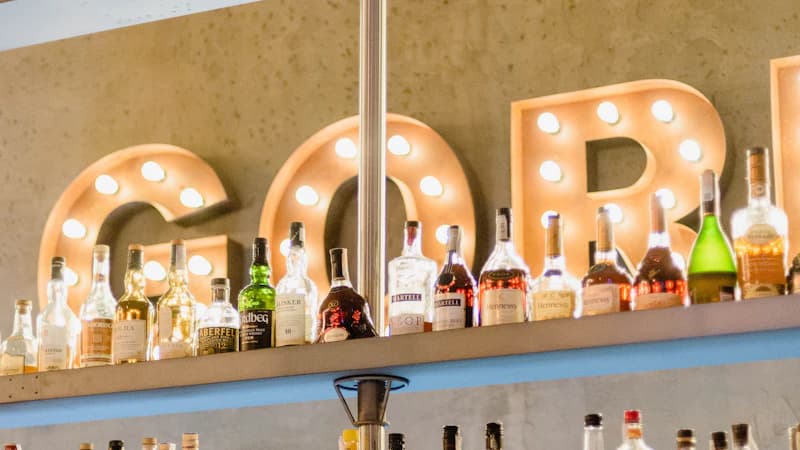 Back-Bar Bottle Cooler Buying Guide6 min read