Skip to content

Chest & Deep Freezers · −60 to −30 °C

Ultra-low

−40 °C and −60 °C for pharma and seafood. Chest freezers for long-term frozen storage in hard-top and glass-top builds, plus ultra-low temperature models that hold down to −60 °C for pharma, seafood and specialist stock.

Choose a configuration

Every ultra-low model

Buying advice

Before you choose.

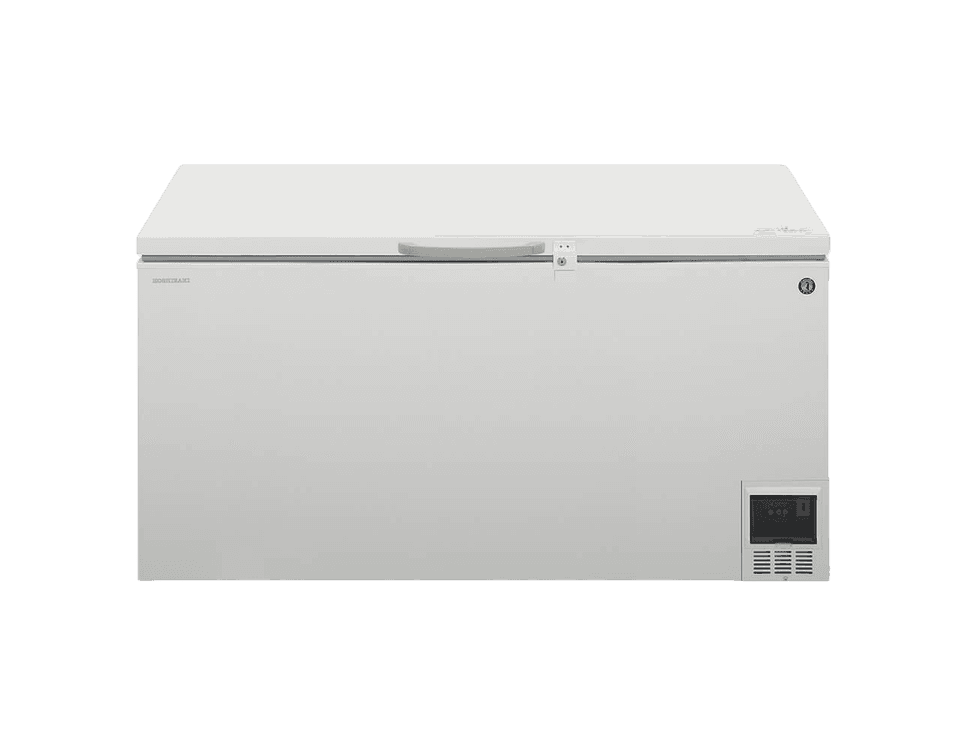
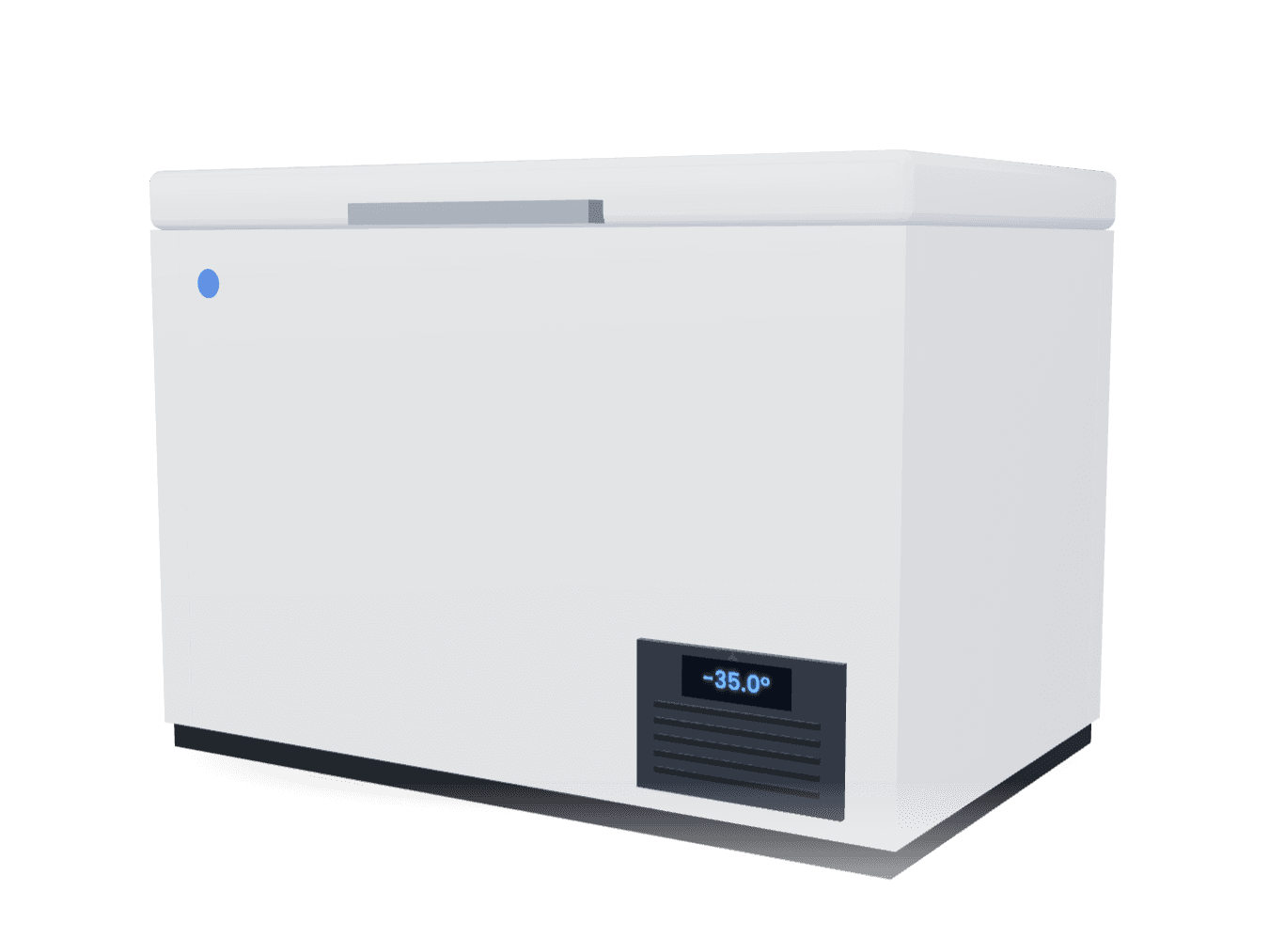
Ultra-Low Temperature Freezer down to −60 °C

An ultra-low temperature freezer holds stock far below normal frozen storage, down to around −60 °C. Normal freezing at −18 °C stops microbial growth, but slow chemical and physical changes continue. At ultra-low temperatures these slow down much further. That matters for products whose colour, structure or activity must be preserved over long periods. Reaching −60 °C needs a more powerful refrigeration system, often using a hydrocarbon refrigerant such as R290, and thicker insulation than a standard chest. These freezers are specialist equipment, bought for a defined need rather than general storage.

Best for

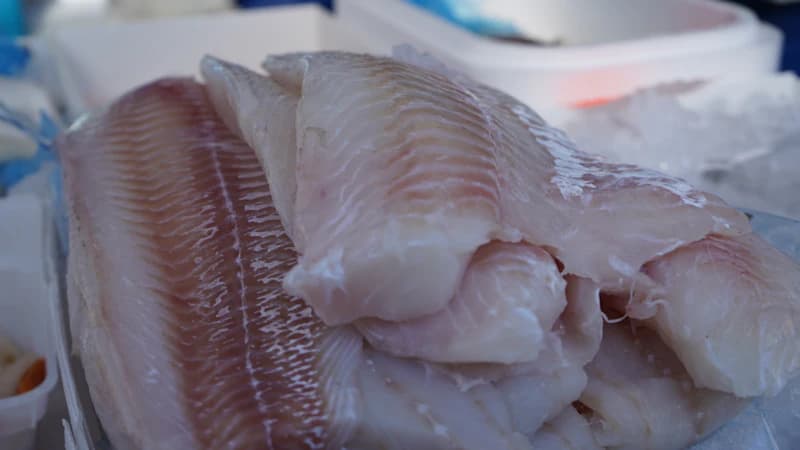
  • Seafood exporters, processors and premium restaurants holding sashimi-grade tuna and similar fish, which is commonly stored at very low temperatures to keep its colour.
  • Pharmaceutical and biotech stock whose labelled storage temperature is far below standard freezing.
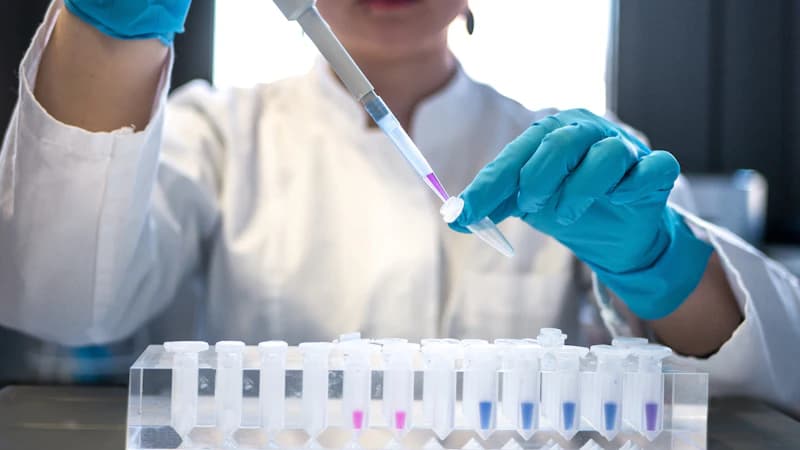
  • Laboratories and research institutes storing samples and reagents that need ultra-low storage.
  • Specialist food businesses storing ingredients where long-term quality depends on very low temperatures.

Check before you buy

  • Need first: confirm the temperature your product's label, supplier or protocol actually calls for. If −18 to −25 °C is enough, a standard deep freezer costs far less to buy and run.
  • Monitoring and alarms: use an independent temperature logger and an alarm that reaches someone after hours. For pharma and lab stock, follow your regulator's or institution's monitoring and record-keeping guidelines.
  • Power and backup: a compressor running at ultra-low temperatures draws a lot of power. Size any inverter or generator for its starting current, use voltage protection, and have a written plan for long power cuts.
  • Ambient and ventilation: the system rejects a lot of heat. Check its ambient rating, give it generous clearance, and avoid hot, enclosed rooms. In a 43 °C room, performance and compressor life both suffer.
  • Handling and service: wear insulated gloves, because −60 °C surfaces cause cold burns. Hydrocarbon refrigerants are flammable, so servicing must be done by technicians trained for them.
Do I need an ultra-low freezer for vaccines?
Most routine vaccines are stored at +2 to +8 °C, not in a freezer. Some products need frozen or ultra-low storage. Always follow the product label and your immunisation programme's or regulator's equipment guidelines.
How long does an ultra-low freezer take to reach −60 °C?
Pull-down from room temperature takes many hours and varies with ambient conditions and the model. Start it empty, let it stabilise at the set point, and then load gradually instead of filling it with warm stock at once.
Can I store regular frozen food in an ultra-low freezer?
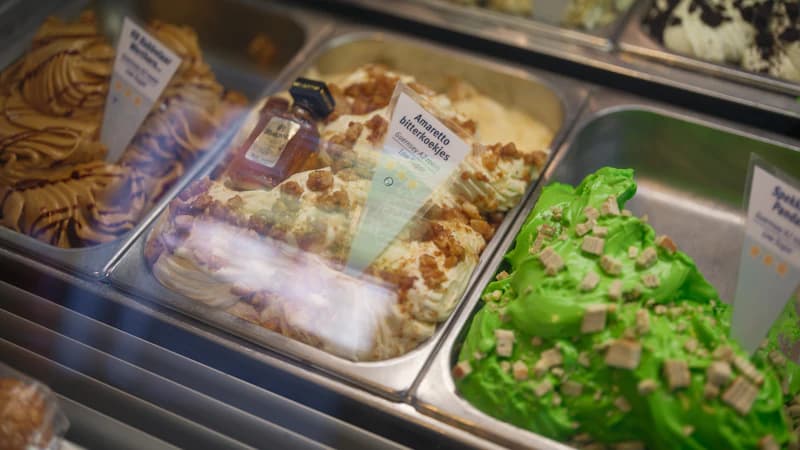
You can, but it is an expensive way to do it. Running at −60 °C uses much more energy than −18 °C. Use a standard deep freezer for ordinary stock and keep the ultra-low unit for what really needs it.

Before you buy

All guides

Get a quote

Price a ultra-low for your site.

Tell us where it's going and we'll come back within one working day with a quote that includes delivery and installation.

We reply within one working day.