Skip to content

Vertical Refrigeration · +2 to +8 °C

Refrigerator

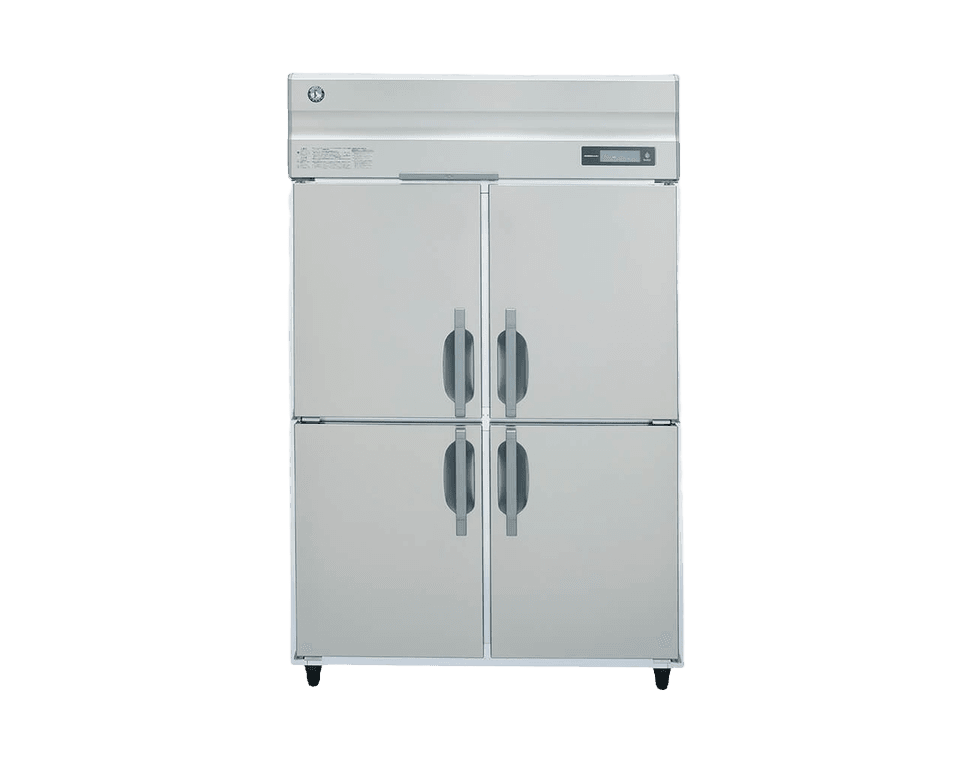
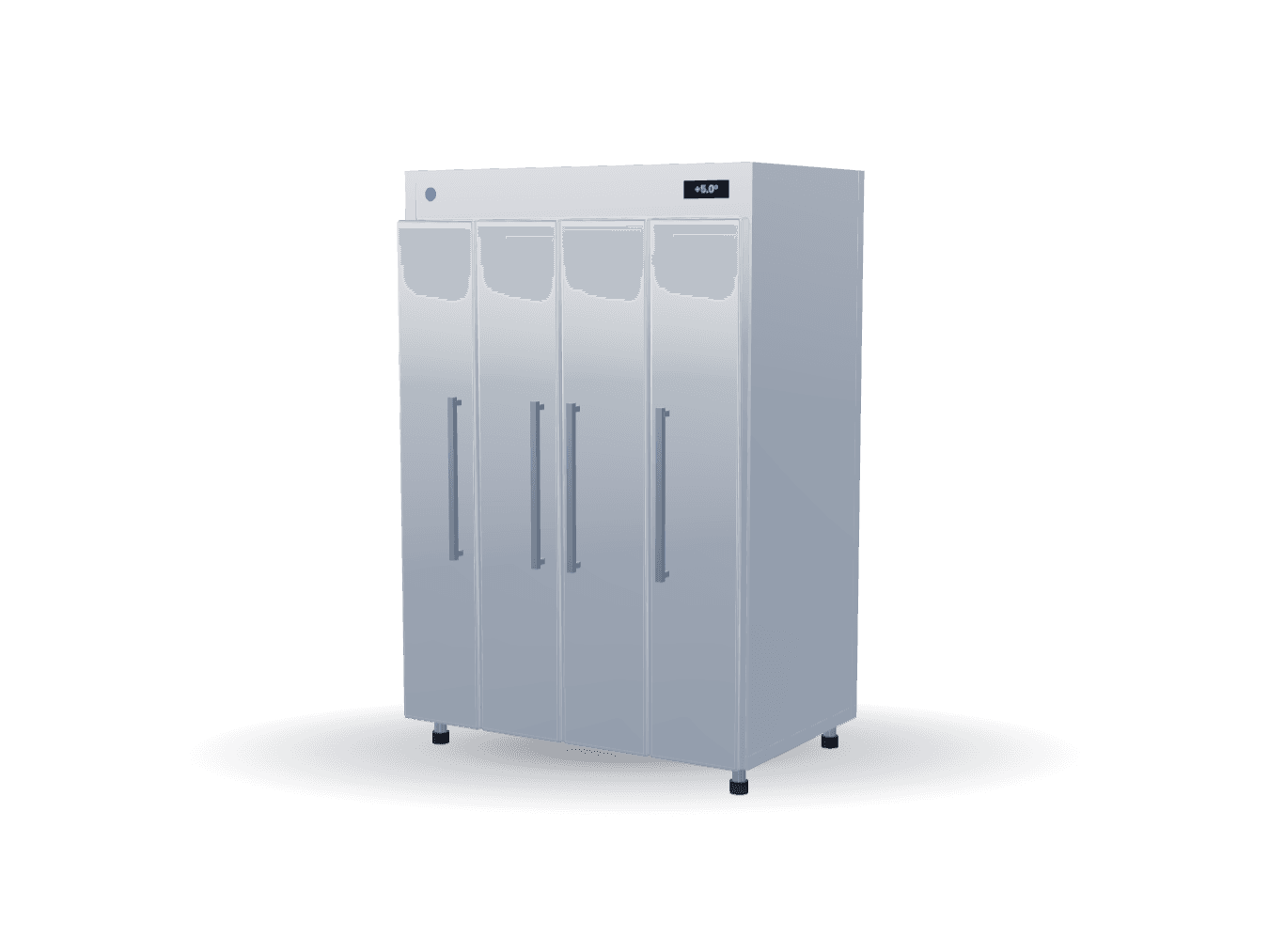
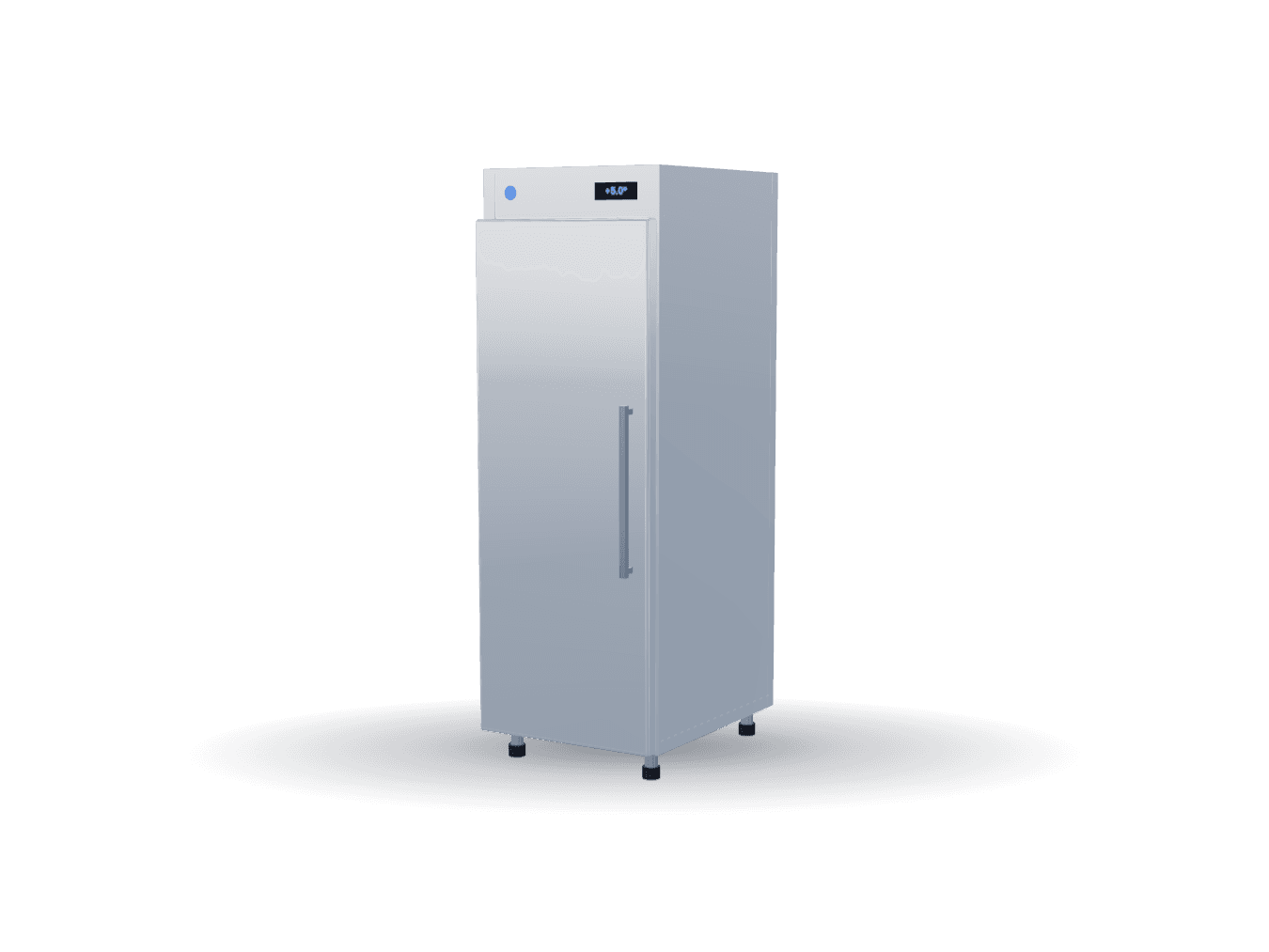
+2 to +8 °C upright storage. Upright stainless cabinets in one-, two-, three- and four-door builds. Refrigerators and freezers share the same body, so a kitchen can standardise on one footprint and one set of spares.

Choose a configuration

Every refrigerator model

Buying advice

Before you choose.

Upright Reach-in Refrigerator for Commercial Kitchens

A reach-in refrigerator is an upright stainless-steel cabinet that holds chilled stock in the +2 to +8 °C band, keeping food at or below the 5 °C mark most food-safety guidance uses. It is the main chilled store in most restaurant and hotel back kitchens. Bodies come in one, two or three sections with full-height or half doors, and the shelves take pans, trays and tubs. A fan pushes cold air around the load so every shelf sits at a similar temperature. A domestic fridge isn't built for this. A reach-in has to recover quickly after dozens of door openings an hour and keep working in a kitchen that runs well above room temperature.

Best for

  • Restaurant and QSR back kitchens that need one central chilled store for dairy, sauces, marinades and prepped vegetables.
  • Hotel and institutional kitchens running several shifts, where the doors are opened all day.
  • Bakeries holding creams, fillings, butter and doughs that must stay chilled but not frozen.
  • Central and cloud kitchens that prep in batches and want their stock at standing height, not bent over a chest.

Check before you buy

  • Ambient rating: ask what room temperature the cabinet can hold +2 to +8 °C at. Next to a tandoor or range the air can pass 43 °C, and a unit sized for a 32 °C room will struggle all summer.
  • Power: give it a dedicated, earthed 230 V socket. Where the supply sags or spikes, use a correctly rated stabiliser or a unit with built-in voltage protection and a restart delay after power cuts.
  • Doors: half doors lose less cold per opening on a busy line. Full doors suit bulk trays and large containers. Check whether the hinges can be swapped to the other side if the layout changes.
  • Footprint and airflow: measure the door swing and the route in, including corridors, lifts and doorways. Leave the condenser the air gap the manual asks for. A condenser that can't breathe is one of the commonest reasons for poor cooling.
  • Cleaning and humidity: look for coved internal corners, removable shelves and gaskets you can lift out. In the monsoon, neglected gaskets grow mould quickly, and FSSAI inspectors expect clean, odour-free storage.
What temperature should a commercial reach-in refrigerator be set to?
Most kitchens set +2 to +4 °C. That keeps stock below 5 °C with a margin for door openings. Check it with a probe thermometer in a glass of water on the middle shelf instead of relying only on the display.
Can a reach-in refrigerator stand next to the cooking line?
Keep it close enough to be handy, but not beside fryers, ranges or tandoors. Hot air around the condensing unit raises running costs and wears out the compressor. Leave the clearance the manual asks for, and keep the grille free of grease and dust.
Do I need a stabiliser for a commercial refrigerator in India?
Yes, if your supply regularly drops or surges and the unit has no voltage protection of its own. Ask the supplier which stabiliser rating suits the compressor. Never run the cabinet off an extension board.

Before you buy

All guides

Get a quote

Price a refrigerator for your site.

Tell us where it's going and we'll come back within one working day with a quote that includes delivery and installation.

We reply within one working day.