Skip to content

Undercounter Refrigeration · +2 to +8 °C

Refrigerator

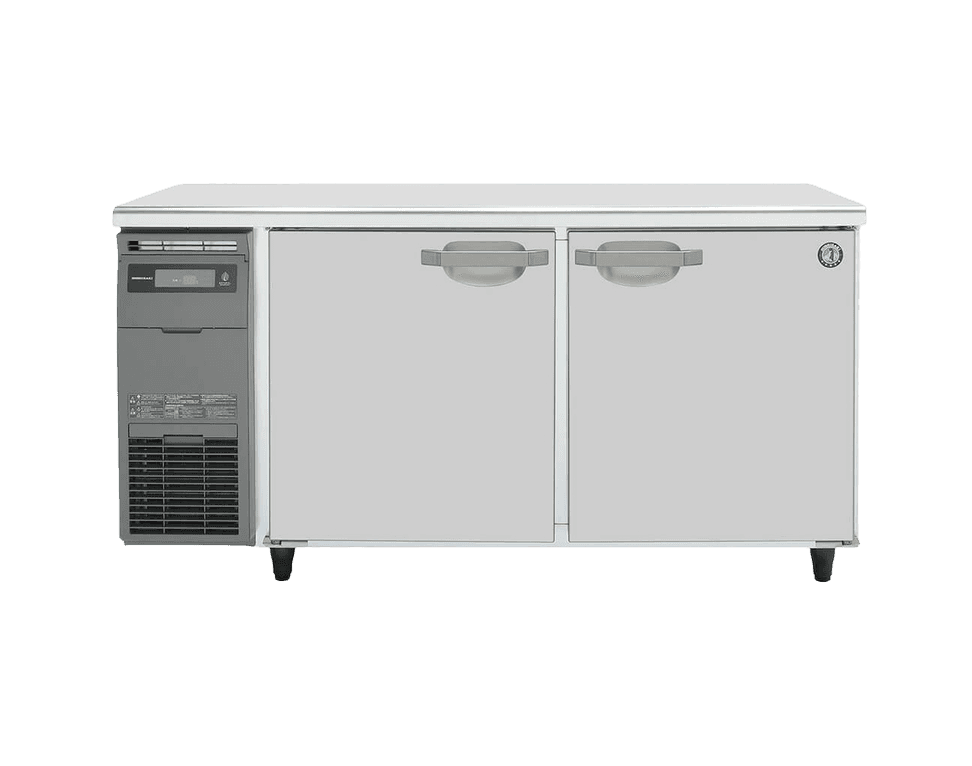
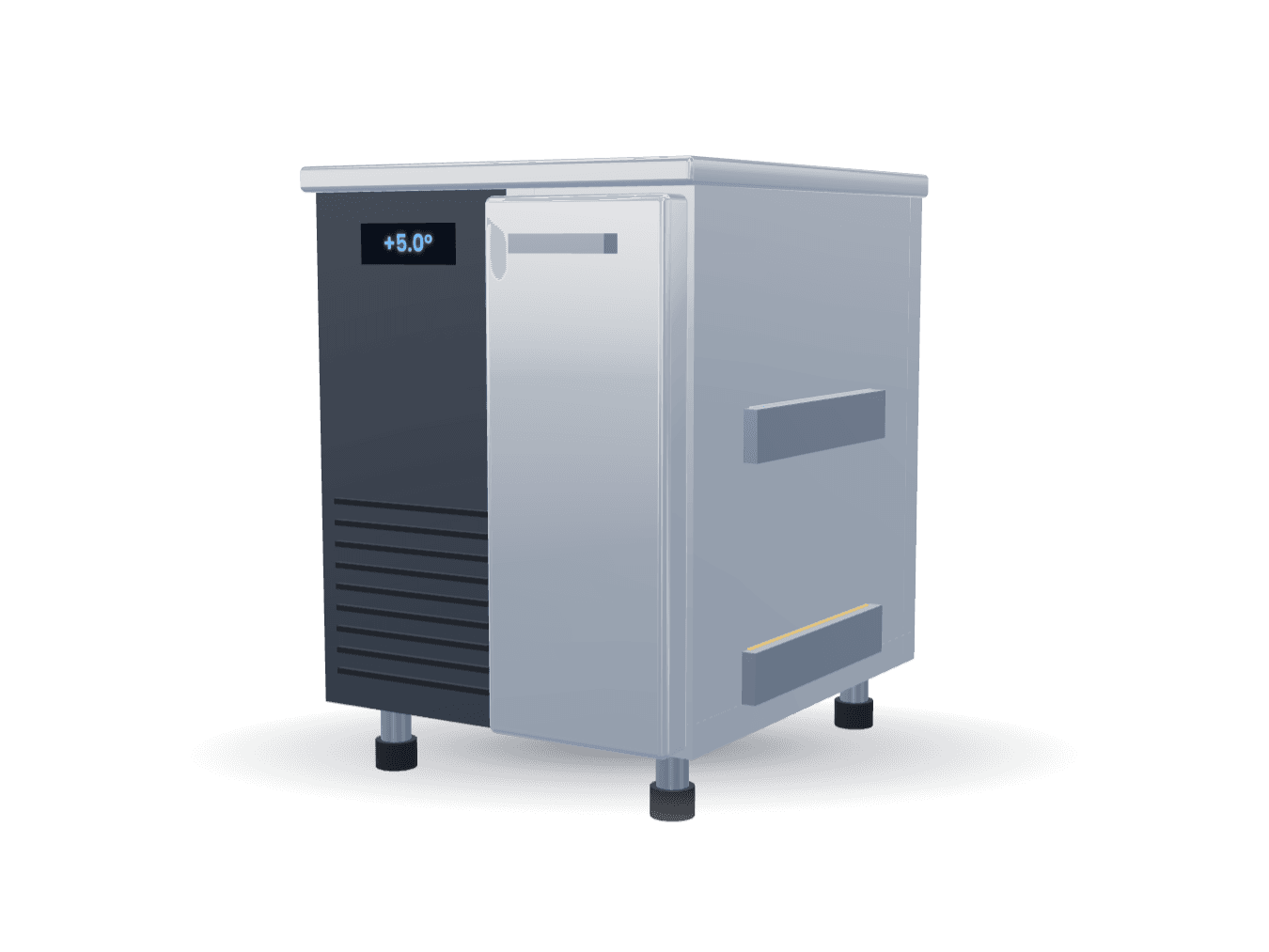
+2 to +8 °C under the worktop. Counter-height cabinets that put chilled and frozen ingredients within arm's reach of the line. One-, two- and three-door builds drop into a standard 700 mm counter run.

Choose a configuration

Every refrigerator model

Buying advice

Before you choose.

Undercounter Refrigerator for Commercial Kitchens

An undercounter refrigerator is a counter-height cabinet, usually with hinged doors, that slides under an existing counter or stands alone in a run. It holds chilled ingredients, around +2 to +8 °C, right where they are used, so cooks don't walk to the main reach-in for every order. Typical depths match standard counters, so it can replace a dry cupboard in an existing run. Because it lives under a worktop, how it breathes matters. Units ventilated from the front can sit flush. Units that vent from the back or sides need open space around them.

Best for

  • Restaurant cooking lines that need sauces, garnishes and prepped ingredients within arm's reach.
  • Bars and cafés keeping milk, mixers, garnishes and desserts under the service counter.
  • Ice-cream and beverage counters holding toppings and dairy beside the dispensing point.
  • Small kitchens where floor space for a full-height cabinet just isn't available.

Check before you buy

  • Ventilation: if the unit goes under a fixed counter, buy one that breathes from the front. A rear-vented unit boxed into a counter in a 43 °C kitchen will overheat and fail early.
  • Fit: measure the opening height, width and depth, the leg or castor height, and the door swing in front. Check that the doors clear nearby equipment and walkways.
  • Heat sources: don't put an undercounter beneath fryers, griddles or ovens unless it is designed for that. A chef base is built for that job.
  • Power: plan a dedicated, earthed 230 V socket that you can reach for service. Use voltage protection where the supply is unstable.
  • Cleaning: kitchens are dusty and greasy at floor level. Choose a unit with a removable front grille so the condenser can be cleaned monthly. Castors let you clean behind and under it.
Can I fit a commercial undercounter refrigerator under my existing counter?
Usually, if it ventilates from the front and the opening is tall enough to include the legs or castors. Check the exact clearances in the manual, including any gap needed above and to the sides.
Is an undercounter refrigerator enough on its own?
For a small café or bar, sometimes. Most restaurants use undercounters as working stock on the line and keep bulk stock in a reach-in or walk-in, restocking the undercounter before each service.
Can an undercounter hold frozen stock?
Undercounter freezers and dual-temperature undercounters exist. A freezer under a counter in a hot kitchen works very hard, so check its ambient rating and ventilation carefully.

Worktop Refrigerator: Prep Counter With Cold Storage

A worktop refrigerator is a counter-height refrigerated cabinet with its own stainless-steel top, designed to be used as a prep surface. It stands on its own rather than sliding under an existing counter. In a small kitchen it does two jobs: the top is where food is cut, assembled or plated, and the cabinet below holds the chilled ingredients for that work at around +2 to +8 °C. Many have a rear upstand to stop spills going down the wall. Some have a cut-out or rail for gastronorm pans of ready ingredients.

Best for

  • Small restaurant and café kitchens where every metre of floor has to provide both storage and work surface.
  • Pizza, sandwich, salad and roll stations where the assembler needs ingredients directly underneath.
  • Pantry and room-service stations in hotels that need a clean prep surface with chilled stock.
  • Pop-up and new kitchens that want to avoid custom fabricated counters.

Check before you buy

  • Top load: ask how much weight the top is designed to carry. A worktop is meant for prep and light equipment such as a small mixer or slicer. It is not designed for hot cooking equipment.
  • Heat on the top: hot pans placed straight from the range warm the cabinet below and can damage the insulation. Use trivets or a separate landing area.
  • Height and ergonomics: check the working height with castors or legs fitted, and compare it with your staff and the rest of the line.
  • Ventilation and ambient: a stand-alone worktop has more room to breathe than a built-in undercounter, but in a 43 °C kitchen it still needs its ambient rating checked and its grille kept clear.
  • Hygiene: the top is a food-contact surface. Look for a seamless top with a sealed upstand and no gaps where food can lodge, and clean and sanitise it like any prep counter.
Can I put a griddle or fryer on a worktop refrigerator?
No, unless the maker says the top is designed for it. Heat and grease from cooking equipment will overload the cabinet below. A chef base is built for that job.
Can I cut food directly on the stainless top?
Use a colour-coded chopping board. Cutting directly on stainless steel blunts knives, scratches the surface and leaves grooves that are harder to sanitise.

Undercounter Drawer Refrigerator for Busy Lines

A refrigerated drawer unit is an undercounter or worktop cabinet with pull-out drawers in place of hinged doors. The drawers are usually sized to take gastronorm pans, so prepped ingredients go straight from the drawer onto the station. Two things make drawers popular on busy lines. Pulling a drawer releases less cold air than swinging open a door, because cold air sinks and stays in the drawer. And the cook sees everything from above without kneeling and reaching to the back of a shelf. Each drawer holds a set load, so you think in pans rather than shelves.

Best for

  • High-volume cooking lines where the same ingredients are pulled hundreds of times a service.
  • Tandoor, grill and tawa stations holding marinated meats, paneer and doughs in pans.
  • Open kitchens where the cook must not turn away from the pass for long.
  • Stations staffed by people of different heights, where kneeling to reach the back of a shelf slows service.

Check before you buy

  • Drawer runners: they carry the full pan load hundreds of times a day. Ask about the runner type and load rating, and whether runners and gaskets can be replaced on site.
  • Pan sizes: confirm which pan sizes and depths each drawer takes, and buy the pans to match. Mixed pans waste space and let cold air escape.
  • Ambient and ventilation: drawers recover quickly, but the cabinet still needs front ventilation if it is built in, and an ambient rating that suits a 43 °C line.
  • Cleaning: drawers lift out for washing, but the runners collect crumbs and spills. Clean them weekly. In humid months, wipe gaskets dry to stop mould.
  • Power and access: plan a dedicated, earthed 230 V socket with voltage protection, placed where a technician can reach it without unloading the line.
Are refrigerated drawers worth the extra cost over doors?
On a busy station, usually yes. Faster picking, less cold loss and less bending add up over every service. On a slow station or for bulky tubs, a door unit is the more economical choice.
How much can a refrigerated drawer hold?
It depends on the unit. Drawers are typically sized around one or two full-size pans. Check the drawer's pan capacity and load rating and plan your mise en place to fit.

Before you buy

All guides

Get a quote

Price a refrigerator for your site.

Tell us where it's going and we'll come back within one working day with a quote that includes delivery and installation.

We reply within one working day.